

Introduction
Selling a car in the UK is easier than ever, driven by online valuation tools, instant car buying services, and digital paperwork processing that replace the traditional forecourt-only route. Vehicle age, mileage, condition, service history, and market demand determine how quickly and successfully a car sells. This guide covers every stage of selling a car: valuation, preparation, documentation, selling method selection, pricing, advertising, buyer safety, legal responsibility, and common mistakes. Cardaddys simplifies this process through fast valuation, vehicle inspection, and same-day payment completion.
Why Should You Sell Your Car Instead of Keeping It?
Sellers choose to sell a car over keeping it for five primary reasons: a new vehicle purchase, reduced running costs, a lifestyle change, an electric or hybrid upgrade, and avoidance of future repair costs. Each reason connects to a specific financial or practical driver.
Common reasons for selling a car include:
- Buying a New Vehicle: A new vehicle purchase frequently requires selling the existing car to fund the deposit or reduce finance exposure.
- Reducing Running Costs: Insurance, fuel, and servicing costs on an older or larger vehicle can outweigh its practical benefit.
- Lifestyle Changes: A change in commute, family size, or location can make an existing vehicle unsuitable.
- Upgrading to an Electric or Hybrid Vehicle: Lower running costs and emissions-based incentives drive many owners toward electric or hybrid replacement.
- Avoiding Future Repair Costs: Selling before a major component reaches the end of its service life avoids an expensive repair bill.
What Are the Most Common Reasons People Sell Their Cars?
People sell cars most commonly to fund a new vehicle purchase, reduce running costs, or respond to a lifestyle change. Each reason below carries a distinct financial or practical trigger.
- Buying a New Vehicle: A new vehicle purchase represents the most common trigger for selling an existing car. Sale proceeds fund the new vehicle deposit or reduce the finance amount required.
- Reducing Running Costs: Reducing running costs drives many owners to sell a car with high insurance, fuel, or servicing expenses. A smaller or more efficient replacement lowers these ongoing costs.
- Lifestyle Changes: Lifestyle changes, including a new job, house move, or family size change, alter a vehicle's suitability. A car matched to a previous lifestyle stage becomes impractical after this change.
- Upgrading to an Electric or Hybrid Vehicle: Electric and hybrid upgrades reduce fuel cost and emissions-linked charges compared to a petrol or diesel equivalent. The upgrade path has increased in frequency as charging infrastructure expands.
- Avoiding Future Repair Costs: Selling before a major component, such as a timing belt or clutch, reaches its end of service life avoids a costly repair. Selling at this point protects the seller from an expense that would otherwise reduce the car's practical value.
When Is the Best Time to Sell Your Car?
The best time to sell a car is before a major MOT, service milestone, or new model year release affects buyer demand and price. Selling ahead of these points avoids a value dip linked to upcoming cost or depreciation.
- Before an MOT Renewal: Selling before an MOT expires avoids a buyer discounting the price for near-term test cost or failure risk.
- Before a Major Service Milestone: Selling ahead of a due timing belt or major service avoids a buyer factoring that cost into their offer.
- Ahead of a New Model Year Release: Selling before a manufacturer releases an updated model version reduces the perception of the current car as outdated.
How Do I Find Out What My Car is Worth Today?
A car's market value depends on nine primary factors: age, mileage, condition, service history, previous owner count, specification, optional extras, MOT status, and current market demand. The nine factors combine to produce both an online valuation estimate and a final buyer offer.
Value-determining factors include:
- Age: Vehicle age correlates directly with depreciation stage and expected component wear.
- Mileage: Mileage relative to vehicle age indicates usage intensity and remaining component lifespan.
- Condition: Cosmetic and mechanical condition affects both buyer confidence and final offer price.
- Service History: A documented service history verifies maintenance consistency and supports a higher valuation.
- Number of Previous Owners: Fewer previous owners correlates with higher perceived desirability and value.
- Vehicle Specification: Trim level, engine size, and factory options affect demand and resale price.
- Optional Extras: Factory-fitted extras, including navigation and parking sensors, increase buyer appeal.
- MOT Status: A current, valid MOT certificate removes an immediate cost concern for the buyer.
- Market Demand: Current demand for the specific make, model, and fuel type shifts achievable price up or down.
How Can You Get an Accurate Car Valuation?
An accurate car valuation requires entering the exact registration, mileage, and condition details into multiple valuation sources for comparison. Cross-referencing online tools, dealer offers, and car buying service quotes produces the most reliable estimate.
- Multiple Valuation Sources: Comparing two or three online valuation tools reduces the risk of relying on a single, potentially inflated estimate.
- Exact Registration Entry: Entering the precise registration number pulls the correct factory specification into the valuation rather than a generic model estimate.
- Condition Honesty: Reporting condition accurately, rather than optimistically, produces a valuation closer to the final achievable offer.
Why Do Online Valuations Differ From Final Offers?
Online valuations differ from final offers because the online estimate cannot account for physical condition, verified below-the-surface mechanical status, or documentation completeness. A physical inspection confirms or adjusts the initial online figure.
- Unverified Condition: An online estimate relies on self-reported condition, which a physical inspection later confirms or adjusts.
- Hidden Mechanical Status: Online tools cannot detect mechanical issues that only a hands-on inspection reveals.
- Documentation Gaps: Missing or incomplete paperwork discovered at inspection can reduce the online estimate.
What Is the Difference Between Trade Value and Private Sale Value?
Trade value reflects the price a dealer pays to acquire a car for resale, and private sale value reflects the price a private buyer pays directly. Private sale value typically exceeds trade value, since the seller retains the profit margin a dealer would otherwise take.
- Trade Value Definition: Trade value represents the amount a dealer offers, reflecting their own resale margin requirement.
- Private Sale Value Definition: Private sale value represents the amount a direct buyer pays, without a dealer margin included.
- Typical Price Gap: Private sale value typically sits higher than trade value for the same vehicle.
How Should You Prepare Your Car Before Selling It?
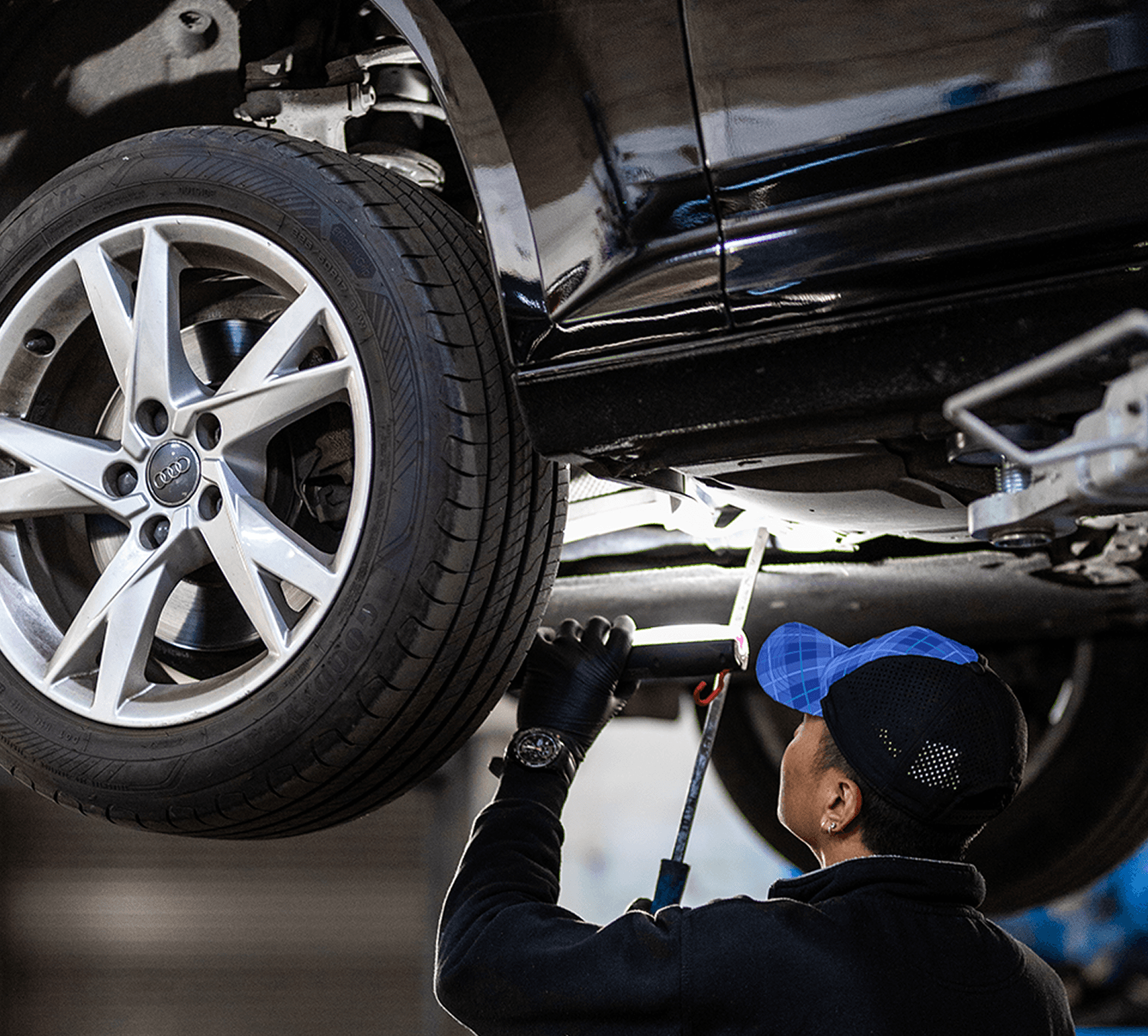
Preparing a car for sale requires cleaning, completing minor repairs, replacing worn consumables, gathering service records, and removing personal belongings. Each preparation step increases buyer confidence and supports a stronger final price.
Preparation steps include:
- Cleaning and Valeting: A thorough interior and exterior valet improves first impressions during viewing.
- Minor Repairs: Completing small, low-cost repairs removes buyer objections during negotiation.
- Consumable Replacement: Replacing worn tyres or brakes before sale can support a higher asking price.
- Service Record Assembly: Gathering complete service records builds buyer confidence in the vehicle's history.
- Personal Belongings Removal: Clearing personal items presents the car as sale-ready and professional.
- Presentation Quality: Overall presentation quality directly affects perceived value and buyer willingness to negotiate.
Should You Clean and Valet Your Car?
A thorough clean and valet before sale is a required step. A clean interior and exterior create a strong first impression and reduce buyer objections during viewing.
- Exterior Valet: Washing, waxing, and cleaning wheels present the car's bodywork in its best condition for viewing. A freshly washed car also makes small imperfections easier to spot and address before a buyer notices them first.
- Interior Deep Clean: Vacuuming, wiping surfaces, and removing odours improve the buyer's first impression of the cabin. Cleaning under seats and inside door pockets removes dust and debris that accumulate unnoticed over time.
- Engine Bay Tidiness: A clean, dust-free engine bay signals general care and makes any leaks or wear easier for a buyer to see clearly during inspection.
- Glass and Mirror Clarity: Clean windows, mirrors, and headlights improve both the car's appearance and the buyer's ability to assess visibility-related features during a test drive.
- Professional Valet Option: A professional valet service costs a modest fee and frequently returns a stronger price than the cost of the valet itself, particularly for cars with heavier interior wear.
Which Minor Repairs Are Worth Completing?
Minor repairs worth completing include small dents, chipped paint, cracked windscreens, and faulty bulbs. Low-cost repairs remove common buyer objections raised during negotiation.
- Small Dents and Chips: Repairing minor bodywork damage removes an easy negotiation point for buyers and improves the car's overall visual condition at first glance.
- Windscreen Cracks: Fixing a cracked windscreen avoids a buyer factoring a full replacement cost into their offer, since windscreen damage is also an MOT failure point.
- Faulty Bulbs and Warning Lights: Replacing blown bulbs and clearing minor warning lights presents the car as well maintained and avoids raising early doubts about hidden mechanical issues.
- Wiper Blades and Small Trim Items: Replacing worn wiper blades or loose interior trim pieces is inexpensive and removes small, easily noticed signs of neglect.
- Cost-Benefit Judgement: Comparing the repair cost against the value a buyer would otherwise deduct determines which minor repairs are genuinely worth completing before listing.
Should You Replace Worn Tyres or Brakes Before Selling?
Replacing significantly worn tyres or brakes before selling is worth the cost when the replacement price is lower than the value reduction a buyer would otherwise apply. Buyers frequently use worn consumables as a negotiation point to reduce the asking price.
- Cost Versus Value Reduction: Comparing the replacement cost against the price reduction a buyer would apply determines whether replacement is worthwhile in each specific case.
- Legal Tyre Tread Depth: Tyres below the legal minimum tread depth require replacement or clear disclosure before sale, since driving on illegal tyres carries a legal and safety risk.
- Buyer Negotiation Point: Worn consumables give buyers a straightforward reason to negotiate the price down, often by more than the actual replacement cost.
- Mismatched Tyre Brands: A mismatched set of tyres can raise buyer concern about inconsistent maintenance, even where tread depth itself is acceptable.
- Brake Wear Indicators: Squealing brakes or a soft pedal feel during a test drive prompt immediate buyer questions, making a pre-sale check worthwhile.
How Can Service Records Increase Buyer Confidence?
Complete service records increase buyer confidence by evidencing consistent maintenance at manufacturer-recommended intervals. A documented history reduces buyer uncertainty about undiagnosed mechanical issues.
- Verified Maintenance History: Complete records confirm the car received maintenance at manufacturer-recommended intervals rather than on an inconsistent or delayed schedule.
- Reduced Buyer Uncertainty: Documented history removes buyer concern about undiagnosed mechanical issues that an incomplete record would otherwise leave unanswered.
- Stronger Negotiating Position: A seller with full records holds a stronger position when a buyer attempts to negotiate on condition grounds.
- Major Work Verification: Records showing timing belt, clutch, or cambelt replacement reassure a buyer that costly future repairs are less likely in the near term.
- Organised Presentation: Arranging records chronologically, alongside the service book, makes the history easy for a buyer to review quickly during a viewing.
Which Personal Belongings Should You Remove?
Personal belongings requiring removal before sale include documents, electronics, clothing, and any items stored in the boot, glovebox, or door pockets. A clear, empty interior presents the car as sale-ready.
- Documents and Paperwork: Removing personal documents from the glovebox and door pockets protects the seller's private information from being seen by a viewer.
- Electronics and Chargers: Clearing phone mounts, chargers, and dash cams presents a clean, sale-ready interior and avoids leaving valuable items behind accidentally.
- Boot Contents: Emptying the boot of stored items allows the buyer to assess the car's full available space accurately.
- Under-Seat and Pocket Items: Checking under seats, in seatback pockets, and inside the centre console catches smaller items easily missed in a quick tidy-up.
- Personalised Fittings: Removing custom seat covers, personalised number plate surrounds, or aftermarket accessories not included in the sale avoids confusion at handover.
How Can Presentation Improve Your Selling Price?
Strong presentation improves selling price by increasing buyer confidence and reducing negotiation leverage based on cosmetic condition. A well-presented car frequently sells closer to the asking price than a poorly presented equivalent.
- Buyer Confidence Boost: A clean, tidy car increases buyer trust in its overall maintenance standard from the moment they arrive.
- Reduced Negotiation Leverage: Strong presentation removes cosmetic condition as a common point for a buyer to negotiate the price down.
- Closer to Asking Price: Well-presented cars typically sell nearer to the original asking price than poorly presented equivalents.
- First Impression Timing: Presentation quality matters most in the first few minutes of a viewing, when a buyer forms their initial judgement of the car.
- Photograph and Viewing Consistency: Matching the car's real-world presentation to its online photographs prevents a buyer feeling misled on arrival.
Which Documents Do You Need to Sell Your Car?

Selling a car requires six primary documents: the V5C registration certificate, full service history, MOT certificates, repair invoices, spare keys, and the owner's handbook. Complete documentation supports both a smoother transaction and a stronger sale price.
Required documents include:
- V5C Registration Certificate: The V5C proves legal ownership and enables transfer to the new keeper.
- Full Service History: Service history evidences maintenance consistency and supports a stronger valuation.
- MOT Certificates: Current and historical MOT certificates confirm roadworthiness and past condition.
- Repair Invoices: Invoices for previous repairs verify claimed work and component replacement.
- Spare Keys: A second key set increases buyer confidence and can add measurable resale value.
- Owner's Handbook: The handbook provides reference material the buyer needs for ongoing vehicle operation.
Why Is the V5C Registration Certificate Important?
The V5C registration certificate proves legal ownership and enables the ownership transfer process. A sale without a valid V5C creates legal uncertainty for the buyer and complicates DVLA notification.
- Proof of Legal Ownership: The V5C confirms the registered keeper's legal right to sell the vehicle.
- Ownership Transfer Enablement: Completing the relevant V5C section allows the DVLA to process the change of keeper.
- Buyer Legal Protection: A valid V5C protects the buyer from later ownership disputes.
- Fraud Prevention: A genuine, matching V5C reduces the risk of the sale being linked to a cloned or stolen vehicle.
- DVLA Record Accuracy: An up-to-date V5C ensures the DVLA holds accurate keeper information throughout the sale process.
Should You Provide the Full Service History?
Providing the full service history is a required step for maximising buyer confidence and achievable sale price. Missing service records reduce buyer trust and typically lower the final offer.
- Buyer Confidence Impact: Complete service history increases buyer trust in the car's maintenance standard.
- Valuation Impact: Full records typically support a stronger final offer than incomplete history.
- Missing Record Disclosure: Disclosing any gaps honestly avoids later disputes over undisclosed maintenance issues.
- Digital and Paper Records: Both digital service records and a physical stamped book carry equal value in demonstrating maintenance history.
- Gap Explanation: Explaining any gap in the service history honestly reduces buyer suspicion more effectively than leaving it unaddressed.
Why Should You Include MOT Certificates?
MOT certificates provide a documented record of roadworthiness and past mileage readings. The MOT record allows the buyer to verify the car's condition history independently of the seller's claims.
- Roadworthiness Confirmation: Current and past MOT certificates confirm the vehicle's legal roadworthy status.
- Independent Mileage Verification: MOT records provide an independent, DVSA-logged mileage history for the buyer to check.
- Advisory Transparency: Sharing past advisories demonstrates transparency about the car's known condition history.
- Multiple Years of History: Providing several years of MOT certificates, not just the current one, gives the buyer a fuller condition trend.
- Advisory Pattern Recognition: A buyer reviewing multiple MOT certificates can spot recurring advisories that indicate a persistent, unresolved issue.
Should You Provide Invoices for Previous Repairs?
Providing invoices for previous repairs is a required step for verifying claimed work. Invoices confirm the parts used, work completed, and date of major repairs including timing belt or clutch replacement.
- Work Verification: Invoices confirm that claimed repairs, including parts and labour, genuinely took place.
- Major Component Proof: Invoices for timing belt or clutch replacement provide dated proof of major maintenance work.
- Buyer Reassurance: Invoices reduce buyer reliance on verbal claims about the car's repair history.
- Parts and Labour Detail: Invoices itemising parts and labour separately give the buyer clearer insight into exactly what work was completed.
- Warranty on Recent Repairs: Invoices showing a recent repair still under its own warranty can reassure the buyer of continued protection after purchase.
Why Do Spare Keys Add Value?
Spare keys add value by removing the buyer's cost of sourcing a replacement key after purchase. A single key set can prompt a buyer to negotiate the price down to cover replacement key cost.
- Replacement Cost Avoidance: A second key set removes the buyer's cost of sourcing a replacement key after purchase.
- Negotiation Point Removal: A single key set gives buyers grounds to negotiate the price down to cover a future replacement.
- Completeness Signal: Two keys signal a well-maintained, complete sale package to the buyer.
- Modern Key Replacement Cost: Replacement keys for modern cars with immobilisers and remote locking cost considerably more than older mechanical keys.
- Security Reassurance: A second key confirms no lost key has fallen into the hands of a previous unauthorised user.
Should You Include the Owner's Handbook?
Including the owner's handbook is a required step for a complete sale package. The handbook provides the buyer with manufacturer reference material for features, maintenance schedules, and warning light meanings.
- Feature Reference: The handbook explains how to operate specific features fitted to the exact model.
- Maintenance Schedule Guidance: The handbook sets out manufacturer-recommended service intervals for the new owner.
- Warning Light Explanations: The handbook identifies dashboard warning lights the new owner may encounter.
- Resale Completeness: A complete handbook set contributes to the car's overall sense of completeness and care during a viewing.
- Digital Handbook Alternative: Providing a digital copy or manufacturer app link offers a practical alternative if the physical handbook has been lost.
Which Selling Method Is Right for You?
Six selling methods exist for a UK car sale: online marketplace listing, private sale, direct sale to a car buying company, part exchange, dealership sale, and vehicle auction. Each method carries a distinct trade-off between price, speed, and effort.
Selling method options include:
- Selling Online: Online marketplace listing reaches a broad buyer pool but requires managing enquiries and viewings directly.
- Selling Privately: Private sale typically achieves the highest price but requires the most seller time and effort.
- Selling to a Car Buying Company: Direct sale to a car buying company provides speed and certainty at a lower price than private sale.
- Part Exchange: Part exchange offers convenience by combining sale and purchase into a single transaction, typically at a lower valuation.
- Selling to a Dealership: Dealership sale offers a fast, low-effort transaction without requiring a new vehicle purchase.
- Using a Vehicle Auction: Vehicle auction sale suits sellers prioritising speed over maximum achievable price.
Should You Sell Your Car Online?
Selling a car online suits sellers wanting broad buyer reach and control over asking price. Online selling requires managing enquiries, arranging viewings, and handling payment directly.
- Broad Buyer Reach: Online listing exposes the car to a wide pool of potential buyers beyond a local area.
- Direct Enquiry Management: Selling online requires responding to enquiries, arranging viewings, and negotiating price directly.
- Asking Price Control: Online listing gives the seller full control over the initial asking price.
- Platform Fee Consideration: Certain online marketplaces charge a listing or selling fee, which affects the seller's actual net proceeds.
- Response Time Expectation: Online selling requires prompt responses to enquiries, since slow replies frequently lose buyer interest to a faster-responding listing.
Should You Sell Privately?
Selling privately typically achieves the highest sale price among all selling methods. Private sale requires the most seller time, including advertising, buyer communication, and viewing arrangement.
- Highest Achievable Price: Private sale typically returns the strongest price among all selling methods.
- Time and Effort Requirement: Private sale requires the most seller time, covering advertising, communication, and viewings.
- Direct Buyer Negotiation: Private sale places the seller in direct negotiation with the buyer over price and terms.
- Direct Buyer Relationship: Private sale allows direct communication with the buyer, which can help clarify condition questions quickly.
- Time Commitment Reality: Private sale can take several weeks from listing to completion, requiring ongoing availability for enquiries and viewings.
Should You Sell Directly to a Car Buying Company?
Selling directly to a car buying company suits sellers prioritising speed and certainty over maximum price. Direct sale to a car buying company typically completes within a single day, following an online valuation and vehicle inspection.
- Speed of Sale: A car buying company typically completes a sale within a single day.
- Certainty of Offer: A confirmed offer following inspection removes the uncertainty of a private sale falling through.
- Trade-Off on Price: Direct sale typically achieves a lower price than a private sale, in exchange for speed and certainty.
- Simplified Documentation: Car buying companies typically manage much of the paperwork directly, reducing the seller's administrative burden.
- Fixed, Non-Negotiable Offer: Offers from car buying companies are typically presented as fixed figures with limited room for further negotiation.
Should You Part Exchange Your Car?
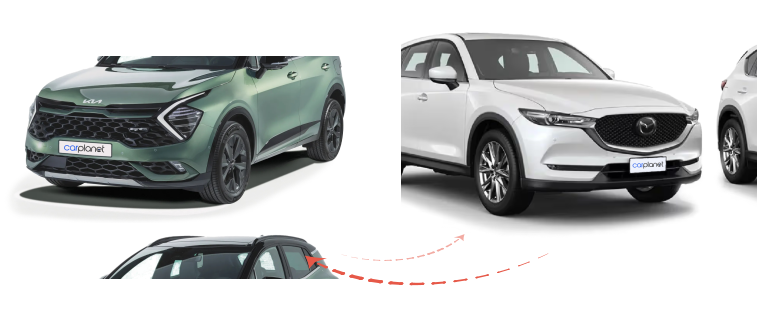
Part exchanging a car suits buyers purchasing a replacement vehicle from the same dealer. Part exchange combines sale and purchase into one transaction, typically at a lower valuation than a private or online sale.
- Combined Transaction: Part exchange combines the sale of the current car and purchase of a new one into a single transaction.
- Convenience Benefit: Part exchange removes the separate step of arranging a sale before buying a replacement vehicle.
- Lower Valuation Trade-Off: Part exchange typically values the current car below its achievable private sale price.
- Simplified Single Transaction: Combining the sale and purchase into one transaction avoids managing two separate processes at once.
- Negotiation Complexity: Part exchange negotiations can become less transparent when the trade-in value and new car discount are combined into one figure.
Should You Sell to a Dealership?
Selling to a dealership suits sellers wanting a fast, low-effort transaction without purchasing a replacement vehicle simultaneously. Dealership offers typically fall below private sale value, reflecting the dealer's resale margin.
- Fast, Low-Effort Sale: Dealership sale completes quickly without requiring advertising or buyer management.
- No Replacement Purchase Required: Dealership sale suits sellers not purchasing a new vehicle from the same dealer.
- Reduced Sale Price: Dealership offers typically sit below private sale value, reflecting the dealer's resale margin.
- No Advertising Effort: Dealership sale removes the task of creating a listing, taking photographs, or responding to buyer enquiries.
- Immediate Cash Availability: Dealership sale typically provides immediate payment, useful for sellers needing funds quickly.
Should You Use a Vehicle Auction?
Using a vehicle auction suits sellers prioritising sale speed and certainty over maximum achievable price. Auction sale removes the need for direct buyer negotiation, at the cost of a typically lower final price.
- Fast, Certain Sale: Auction sale removes the uncertainty of finding a private buyer directly.
- No Direct Negotiation: Auction sale removes the need for the seller to negotiate price with individual buyers.
- Lower Achievable Price: Auction sale typically returns a lower price than a private or online sale.
- Auction Fees: Auction houses typically charge a seller's fee, which reduces the net amount received from the final sale price.
- Reserve Price Setting: Setting a reserve price protects the seller from the car selling for less than an acceptable minimum figure.
How Does Selling Your Car Online Work?
Selling a car online through a car buying service requires four steps: valuation, information submission, vehicle inspection, and payment. Online selling typically completes within one to three days from initial valuation to payment receipt.
Online selling process steps include:
- Valuation: An initial online valuation requires the registration number, mileage, and condition details.
- Information Submission: The seller submits vehicle and personal details to proceed toward an inspection appointment.
- Vehicle Inspection: A physical or video inspection verifies the vehicle's condition against the online valuation.
- Payment: Payment transfers directly to the seller's bank account following inspection confirmation.
How Do Online Car Buying Services Value Your Vehicle?
Online car buying services value a vehicle using registration number, mileage, and condition details entered by the seller. The initial online estimate is confirmed or adjusted following a physical vehicle inspection.
- Registration-Based Estimate: Entering the registration number pulls the correct factory specification into the initial valuation.
- Condition and Mileage Input: Seller-reported condition and mileage adjust the initial estimate before inspection.
- Inspection Confirmation: A physical or video inspection confirms or adjusts the online estimate into a final offer.
- Automated Data Matching: The system cross-references the registration against manufacturer and market databases to build the initial estimate.
- Condition Question Set: A structured set of condition questions during valuation helps refine the estimate before a physical inspection occurs.
What Information Do You Need to Provide?
Selling online requires providing the registration number, current mileage, MOT status, service history status, and contact details. Accurate information at this stage reduces the likelihood of a price adjustment during inspection.
- Registration and Mileage: The registration number and current mileage form the core of the initial valuation.
- MOT and Service History Status: Confirming MOT and service history status refines the estimate before inspection.
- Contact Details: Contact details allow the buying service to arrange an inspection appointment.
- V5C Details: Providing V5C details alongside the registration confirms the seller's legal right to proceed with the sale.
- Photograph Uploads: Some services request photograph uploads at this stage to support a more accurate initial estimate.
What Happens During the Vehicle Inspection?
Vehicle inspection involves a trained assessor checking bodywork, mechanical condition, interior condition, and documentation against the seller's initial submission. Any discrepancy between the submitted details and inspection findings can adjust the final offer.
- Bodywork and Mechanical Check: A trained assessor examines bodywork condition and mechanical status against the seller's submission.
- Documentation Review: The assessor reviews the V5C, service history, and MOT certificates for completeness.
- Discrepancy Adjustment: Any difference between the submitted details and inspection findings can adjust the final offer.
- Test Drive Component: Certain inspections include a short test drive to assess drivability alongside the static condition check.
- Time Required: A typical inspection takes between 30 and 60 minutes, depending on the vehicle's condition and documentation completeness.
How Quickly Can You Receive Payment?
Payment following a successful inspection typically transfers on the same day, via bank transfer. Same-day payment compares favourably against the multi-week timeline frequently required for a private sale.
- Same-Day Bank Transfer: Payment typically transfers to the seller's bank account on the day the inspection completes.
- Comparison to Private Sale: Same-day payment compares favourably against the multi-week process frequently required for a private sale.
- Confirmation of Funds: Confirming cleared funds directly through your own banking app protects against releasing the vehicle too early.
- Bank Processing Time: Same-day transfers depend on the receiving bank's processing times, which can occasionally extend into the next working day.
- Confirmation Before Handover: Confirming payment has genuinely cleared, before handing over the vehicle and keys, protects the seller.
What Happens After You Accept an Offer?
Accepting an offer triggers vehicle collection arrangement, payment transfer, and DVLA notification of the ownership change. The seller retains a copy of the transaction confirmation for their own records.
- Collection Arrangement: Accepting an offer triggers arrangement of vehicle collection at a convenient time.
- Payment Transfer: Payment transfers to the seller's account alongside or shortly after collection.
- DVLA Notification: The buying company or seller notifies the DVLA of the ownership change following completion.
- Final Paperwork Signing: Accepting an offer typically requires signing a sale agreement confirming the final price and vehicle details.
- Insurance Cancellation Timing: Timing insurance cancellation to coincide with the confirmed collection date avoids a cover gap or overlap.
How Can You Increase Your Car's Selling Price?
Five actions increase a car's selling price: cosmetic improvement, service history completeness, a recent MOT, cosmetic damage repair, and desirable optional extras. Each action reduces buyer objections or increases perceived value.
Value-increasing actions include:
- Cosmetic Improvements: Targeted cosmetic improvements, including paint touch-ups and interior cleaning, offer a strong return relative to cost.
- Full Service History: A complete service history increases resale value by verifying maintenance consistency.
- Recent MOT: A recent MOT certificate improves buyer confidence by confirming current roadworthiness.
- Cosmetic Damage Repair: Repairing visible cosmetic damage before sale removes a common negotiation point for buyers.
- Desirable Optional Extras: Optional extras, including navigation, parking sensors, and upgraded alloy wheels, increase buyer appeal.
Which Cosmetic Improvements Offer the Best Return?
Cosmetic improvements offering the best return include paint touch-ups, interior valeting, and alloy wheel refurbishment. Low-cost cosmetic fixes frequently return more in increased sale price than their completion cost.
- Paint Touch-Ups: Fixing small scratches and chips improves overall exterior presentation at low cost.
- Interior Valeting: A thorough interior clean improves buyer first impressions during viewing.
- Alloy Wheel Refurbishment: Refurbishing scuffed alloy wheels noticeably improves overall exterior appearance.
- Headlight Restoration: Restoring cloudy or yellowed headlights is a low-cost fix that noticeably improves the car's front-end appearance.
- Interior Odour Removal: Removing smoke or pet odours through professional cleaning prevents a significant and immediate buyer objection.
Does a Full Service History Increase Resale Value?
A full service history increases resale value by verifying consistent maintenance at manufacturer-recommended intervals. Buyers pay a measurable premium for documented history over an incomplete or missing record.
- Maintenance Verification: Complete records confirm the car received maintenance at the correct intervals.
- Buyer Premium: Buyers frequently pay more for a car with full documented history over an incomplete record.
- Reduced Price Negotiation: Full history reduces the buyer's grounds for negotiating the price down.
- Franchised Dealer Servicing: History showing servicing at a franchised dealer can carry additional buyer reassurance over independent garage records.
- Consistent Interval Pattern: A history showing servicing at consistent intervals, rather than sporadically, supports buyer confidence further.
Does a Recent MOT Improve Buyer Confidence?
A recent MOT certificate improves buyer confidence by confirming current roadworthiness and removing a near-term cost concern. A car sold with several months of MOT remaining typically achieves a stronger price than one sold with an MOT close to expiry.
- Roadworthiness Assurance: A recent MOT confirms the car meets current legal roadworthy standards.
- Near-Term Cost Removal: A fresh MOT removes the buyer's concern about an imminent test and possible repair cost.
- Stronger Achievable Price: Cars sold with several months of MOT remaining typically achieve a stronger price.
- Zero Advisories Advantage: An MOT pass with no advisories signals a car in stronger overall condition than one with several noted issues.
- Remaining Test Period Value: A longer remaining period before the next MOT is due adds tangible value beyond the certificate itself.
Should You Repair Cosmetic Damage Before Selling?
Repairing cosmetic damage before selling is worth the cost when the repair price is lower than the value reduction a buyer would otherwise apply. Visible damage frequently becomes a primary negotiation point during viewing.
- Cost-Benefit Comparison: Comparing repair cost against the value reduction a buyer would apply determines whether repair is worthwhile.
- Common Negotiation Point: Visible damage frequently becomes the buyer's primary point for negotiating the price down.
- First Impression Impact: Repaired cosmetic damage improves the car's first impression during viewing.
- Panel-Specific Repair Cost: Repair cost varies significantly by panel and damage type, making a quote worthwhile before deciding whether to proceed.
- DIY Repair Kits: Small scratch and chip repair kits offer a low-cost option for minor damage that doesn't justify a full respray.
Which Optional Extras Make Your Car More Desirable?
Optional extras that increase desirability include satellite navigation, parking sensors, heated seats, and upgraded alloy wheels. Desirable extras differentiate a car from a base-specification equivalent in buyer searches.
- Satellite Navigation: Built-in navigation increases buyer appeal over a base-specification equivalent.
- Parking Sensors and Cameras: Parking assistance features add practical value that buyers actively search for.
- Heated Seats and Upgraded Wheels: Comfort and cosmetic upgrades differentiate the car from a standard-specification listing.
- Sunroof and Panoramic Roof: A sunroof or panoramic roof adds noticeable buyer appeal, particularly on higher trim levels.
- Upgraded Sound Systems: A factory-fitted premium sound system differentiates the car from a standard-specification equivalent in buyer searches.
What Affects How Quickly Your Car Sells?
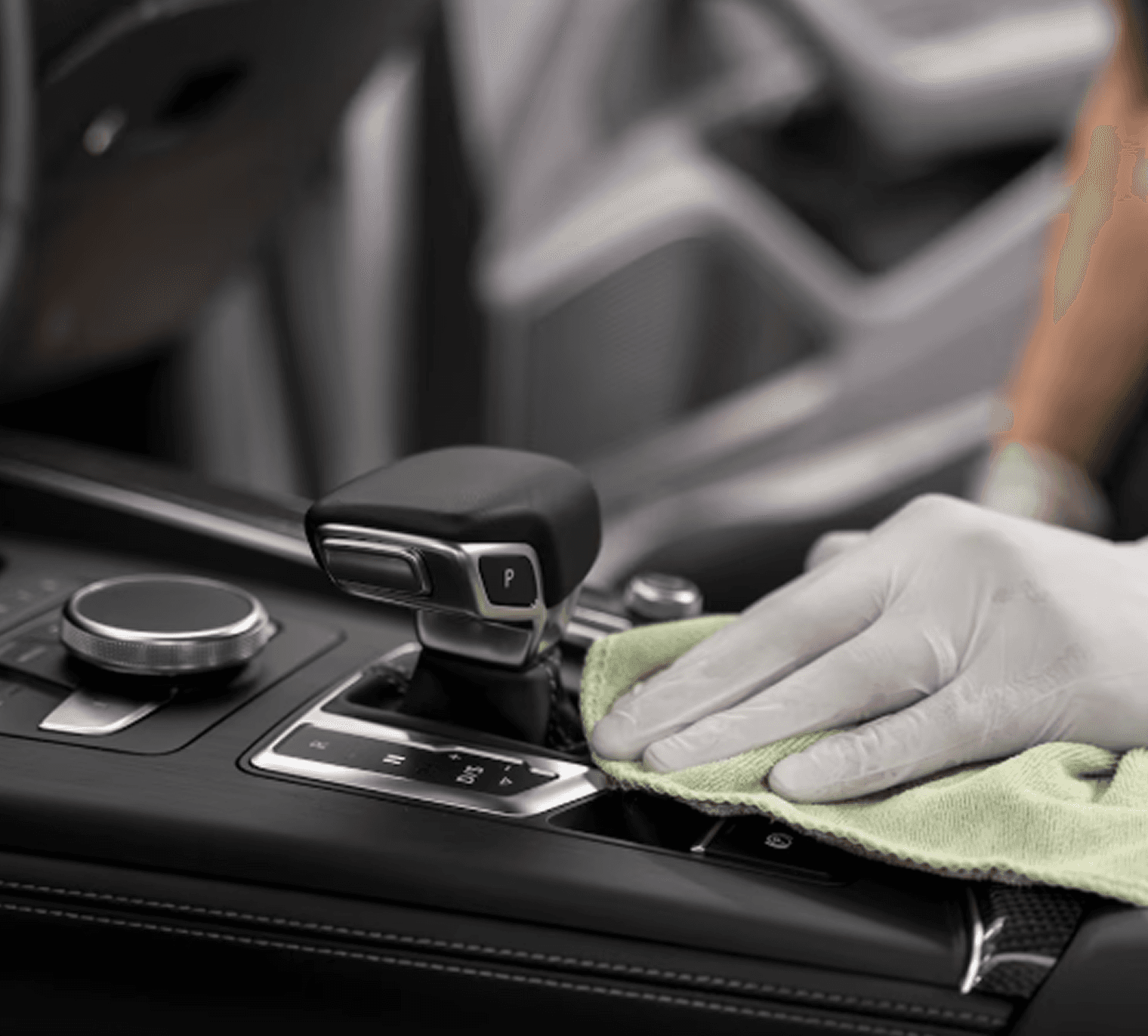
Five factors affect how quickly a car sells: vehicle age, mileage, vehicle type, seasonality, and pricing realism. Each factor influences the size of the interested buyer pool.
Selling speed factors include:
- Vehicle Age: Newer vehicles typically attract faster buyer interest than older equivalents.
- Mileage: Lower mileage relative to age typically produces faster buyer interest.
- Vehicle Type: Practical, high-demand vehicle types sell faster than niche or specialist vehicles.
- Seasonality: Certain vehicle types, including convertibles and 4x4s, experience seasonal demand fluctuation.
- Pricing Realism: A realistically priced car attracts buyer interest faster than an overpriced equivalent.
Does Vehicle Age Influence Demand?
Vehicle age influences demand directly, with newer vehicles typically attracting faster buyer interest. Older vehicles require a more competitive price to achieve a comparable sale timeline.
- Faster Interest in Newer Cars: Newer vehicles typically attract quicker buyer interest than older equivalents.
- Competitive Pricing for Older Cars: Older vehicles require a more competitive price to achieve a comparable sale timeline.
- Age-Adjusted Expectations: Buyer expectations around condition and features shift according to vehicle age.
- Nearly New Premium: Nearly new vehicles command the strongest demand relative to their price point, reflecting low mileage and remaining warranty.
- Classic and Collectible Exception: Certain older vehicles buck the general age-demand trend where classic or collectible status increases desirability.
Does Mileage Affect Buyer Interest?
Mileage affects buyer interest directly, with lower mileage relative to vehicle age typically producing faster enquiries. Higher mileage vehicles frequently require a price adjustment to maintain buyer interest levels.
- Lower Mileage Advantage: Lower mileage relative to vehicle age typically produces faster buyer enquiries.
- Higher Mileage Price Adjustment: Higher mileage vehicles frequently require a price adjustment to maintain buyer interest.
- Mileage-to-Age Ratio: Buyers assess mileage relative to age rather than mileage alone.
- Round-Number Perception: Mileage figures just under a round number, such as 39,000 rather than 41,000, can psychologically appear more attractive to buyers.
- Motorway Versus Urban Mileage: Buyers frequently perceive predominantly motorway mileage as less demanding on a car than the same mileage built up in stop-start traffic.
Which Vehicle Types Sell Fastest?
Practical, high-demand vehicle types, including small hatchbacks and family SUVs, sell fastest due to consistently broad buyer demand. Niche or specialist vehicles typically require a longer sale period to find the right buyer.
- Small Hatchbacks: Compact, practical hatchbacks attract consistently broad buyer demand.
- Family SUVs: Family-sized SUVs sell quickly due to strong ongoing practical demand.
- Niche and Specialist Vehicles: Unusual or specialist vehicles typically require a longer period to find the right buyer.
- Fuel-Efficient Small Cars: Compact, fuel-efficient cars sell quickly due to consistent demand from cost-conscious buyers.
- Popular Colour Advantage: Vehicles in common, neutral colours typically sell faster than those in unusual or polarising colours.
How Does Seasonality Affect Car Sales?
Seasonality affects car sales through demand shifts for specific vehicle types across the year. Convertibles attract stronger demand in spring and summer, and 4x4s attract stronger demand in autumn and winter.
- Spring and Summer Demand: Convertibles and soft-top vehicles attract stronger demand during spring and summer.
- Autumn and Winter Demand: 4x4s and larger vehicles attract stronger demand during autumn and winter.
- Timing Sale to Demand: Listing a seasonal vehicle ahead of its peak demand period supports a stronger price.
- Registration Plate Change Impact: Demand for nearly new used cars often rises just after a new registration plate release, as buyers compare value against brand new.
- Post-Holiday Demand Dip: Buyer activity typically slows in the weeks immediately following Christmas, before picking up again in the new year.
How Does Realistic Pricing Reduce Selling Time?
Realistic pricing reduces selling time by attracting a larger pool of genuinely interested buyers from the point of listing. An overpriced car generates fewer enquiries and typically requires a price reduction before achieving a sale.
- Stronger Enquiry Volume: Realistic pricing attracts a larger pool of genuinely interested buyers from the point of listing.
- Avoiding Overpricing Delay: An overpriced car generates fewer enquiries and typically requires a later price reduction.
- Faster Sale Completion: Correctly priced listings typically complete a sale faster than overpriced equivalents.
- Search Filter Visibility: A realistic price keeps a listing visible within the price filters most buyers use when searching.
- Reduced Time-Wasting Enquiries: Accurate pricing reduces enquiries from buyers testing for a significantly lower acceptable price.
How Should You Price Your Car?
Pricing a car correctly requires researching comparable listings, allowing negotiation room, and adjusting the price if enquiries remain low. Correct pricing balances achieving a strong price against a reasonable sale timeline.
Pricing steps include:
- Competitive Price Research: Researching comparable listings for the same make, model, age, and mileage establishes a realistic price range.
- Negotiation Room: Setting the asking price slightly above the target sale price allows room for buyer negotiation.
- Overpricing Risk: An overpriced vehicle generates fewer enquiries and extends the sale timeline.
- Price Reduction Timing: Reducing the asking price after a period of low enquiry volume maintains buyer interest.
How Should You Photograph Your Car for Sale?
Photographing a car for sale requires exterior images from multiple angles, interior images, and documentation photographs. High-quality images directly increase buyer enquiry rates.
Photography requirements include:
- Exterior Photographs: Multiple exterior angles, including front, rear, both sides, and wheels, show overall condition clearly.
- Interior Photographs: Interior images of the dashboard, seats, and boot space confirm condition and specification.
- Service Records and Spare Keys: Photographs of service records and spare keys build buyer confidence before a viewing occurs.
- Image Quality: High-resolution, well-lit images increase buyer enquiry rates compared to low-quality photographs.
How Should You Write a Car Advertisement?
A car advertisement includes the registration details, condition description, keywords buyers search for, and information that increases buyer confidence. Complete, accurate information reduces time-wasting enquiries and supports a faster sale.
Advertisement components include:
- Essential Vehicle Details: Make, model, year, mileage, fuel type, and transmission type form the core listing information.
- Condition Description: An accurate condition description sets correct buyer expectations before viewing.
- Searchable Keywords: Specific model, trim, and feature keywords help buyers locate the advert during a search.
- Confidence-Building Details: Service history status, MOT status, and previous owner count increase buyer confidence in the listing.
How Should You Handle Buyer Enquiries?
Handling buyer enquiries requires anticipating common questions, arranging safe viewings, and setting clear expectations for test drives. A structured approach reduces wasted time and supports a smoother transaction.
Buyer enquiry handling steps include:
- Expected Buyer Questions: Buyers commonly ask about condition, service history, reason for sale, and price flexibility.
- Viewing Arrangement: Arranging viewings in a safe, well-lit, public location protects both parties.
- Viewing Safety: Bringing a companion and meeting during daylight hours reduces personal risk during a viewing.
- Test Drive Conditions: Verifying the buyer's licence and insurance before a test drive protects the seller's legal position.
How Can You Avoid Car Selling Scams?
Avoiding car selling scams requires using safe payment methods, recognising fraud warning signs, verifying buyer identity, and never releasing the vehicle before payment clears. Scam prevention precautions protect the seller from common fraud patterns targeting private car sales.
Scam prevention steps include:
- Safe Payment Methods: Bank transfer confirmed as cleared funds represents the safest payment method for a private sale.
- Fraud Warning Signs: Overpayment requests, pressure to release the vehicle quickly, and unverifiable buyer details indicate fraud risk.
- Buyer Identity Verification: Confirming buyer identity through photo ID reduces the risk of dealing with a fraudulent party.
- Payment Clearance Timing: Releasing the vehicle only after payment has fully cleared prevents loss from a reversed or fraudulent transaction.
- Bank Transfer Scam Protection: Verifying cleared funds directly with your own bank, rather than trusting a payment confirmation screenshot, prevents a common fraud pattern.
Can You Sell a Car with Outstanding Finance?

Selling a car with outstanding finance is possible once the finance settlement figure is paid off, either directly by the seller or through the sale proceeds. The finance company retains a legal interest in the vehicle until this settlement completes.
Outstanding finance sale factors include:
- Finance Status Checking: Checking finance status directly with the finance provider confirms the exact amount owed.
- Settlement Figure: A settlement figure represents the exact amount required to clear the finance agreement in full.
- Settlement Process: The settlement process requires paying the finance company before, or simultaneously with, transferring ownership.
- Car Buying Company Settlement: Certain car buying companies settle outstanding finance directly from the sale proceeds on the seller's behalf.
Can You Sell Different Types of Vehicles?
Most vehicle types sell successfully in the UK, including high-mileage cars, damaged cars, non-runners, cars without a valid MOT, and cars without service history. Achievable price varies significantly by vehicle type and condition.
Vehicle type sale factors include:
- High-Mileage Cars: High-mileage cars sell at a reduced price relative to lower-mileage equivalents but remain saleable.
- Damaged Cars: Damaged cars sell at a price reflecting repair cost, frequently to specialist buyers or salvage companies.
- Non-Runners: Non-running cars sell primarily to scrap or salvage buyers at a price reflecting parts and metal value.
- Cars Without an MOT: Cars without a valid MOT sell at a reduced price reflecting the buyer's near-term test cost.
- Cars Without Service History: Cars without service history sell at a reduced price reflecting buyer uncertainty over maintenance consistency.
- Electric Vehicles: Electric vehicles sell through the same channels as petrol or diesel cars, with battery health as an additional value factor.
- Hybrid Vehicles: Hybrid vehicles sell similarly to conventional cars, with battery and hybrid system condition affecting value.
- Company Cars: Company cars sell once released from any fleet management or lease agreement in place.
What Are Your Legal Responsibilities When Selling a Car?
Selling a car legally requires transferring ownership, notifying the DVLA, providing correct paperwork, resolving vehicle tax, and updating insurance. Completing each step protects the seller from ongoing liability after the sale.
Legal responsibility steps include:
- Ownership Transfer: Completing the V5C transfer section formally passes legal ownership to the new keeper.
- DVLA Notification: Notifying the DVLA of the sale removes the seller's liability for the vehicle going forward.
- Buyer Paperwork: Providing the buyer with the V5C new keeper slip, service history, and MOT certificates completes the paperwork requirement.
- Vehicle Tax Resolution: Vehicle tax cancels automatically upon DVLA notification, with any remaining full months refunded to the seller.
- Insurance Update: Cancelling or transferring the car insurance policy prevents unnecessary ongoing premium payment.
- Proof of Sale Retention: Retaining proof of sale protects the seller in the event of a future ownership dispute.
What Happens After You Sell Your Car?

After selling a car, the seller confirms ownership transfer, receives any applicable road tax refund, updates their insurance, and retains sale-related records. Completing these steps closes out the transaction fully.
Post-sale steps include:
- Ownership Transfer Confirmation: Confirming the DVLA has processed the ownership transfer removes any remaining seller liability.
- Road Tax Refund Timing: A road tax refund for remaining full months arrives within several weeks of DVLA processing.
- Insurance Policy Action: Cancelling or transferring the insurance policy prevents continued premium charges on a vehicle no longer owned.
- Record Retention: Retaining the sale receipt, V5C confirmation, and any related correspondence protects the seller going forward.
What Are the Most Common Mistakes When Selling a Car?
The most common mistakes when selling a car include overpricing, incomplete paperwork, poor presentation, ignoring buyer safety, and releasing the vehicle before payment clears. Each mistake reduces either the achievable price or the seller's protection during the transaction.
Common selling mistakes include:
- Overpricing: Overpricing reduces buyer interest and extends the time required to achieve a sale.
- Incomplete Paperwork: Incomplete paperwork creates buyer uncertainty and can delay or derail a transaction.
- Poor Vehicle Presentation: Poor presentation reduces buyer confidence and typically lowers the achievable final price.
- Ignoring Buyer Safety: Ignoring safety precautions during viewings increases personal risk unnecessarily.
- Releasing the Vehicle Before Payment Clears: Releasing the vehicle before payment clears exposes the seller to fraud and financial loss.
What Are the Most Frequently Asked Questions About Selling a Car?
This section answers the most common questions asked by sellers preparing to sell a car in the UK.
Frequently asked question topics include:
- Sale Timeline: Sale timeline varies from same-day, through a car buying company, to several weeks for a private sale.
- Selling Without a V5C: Selling without a V5C is possible but requires additional verification steps.
- Selling With Outstanding Finance: Selling with outstanding finance requires settling the finance figure before or during the transaction.
- Selling Without an MOT: Selling without an MOT is possible at a reduced price, with driving restrictions applying to the vehicle.
- Selling Without Service History: Selling without service history is possible at a reduced price reflecting buyer uncertainty.
- Fastest Sale Method: The fastest sale method is a direct sale to a car buying company.
- Safest Payment Method: The safest payment method is a confirmed, cleared bank transfer.
- Third-Party Sale Authorisation: A third party can sell a car on the registered keeper's behalf with appropriate written authorisation.
Why Should You Sell Your Car with Cardaddys?
Cardaddys sells a car through five features: instant valuation, home collection within 24 hours, a guaranteed best price, expert finance settlement, and access to a replacement car through Car Planet. Each feature removes a specific friction point from the traditional private sale process.
Cardaddys service features include:
- Instant Car Valuation: A car valuation completes in under 30 seconds from home, without a phone call or appointment.
- We Come to You: Cardaddys attends the seller's location within 24 hours, buys the car, and pays instantly.
- The Best Price, Guaranteed: Cardaddys offers a competitive, guaranteed best market price for quality cars.
- Expert Finance Solutions: The Cardaddys team settles outstanding finance directly, simplifying a sale that would otherwise require the seller to arrange settlement.
- Buy Your Next Car: Cardaddys partner Car Planet offers over 1,000 used cars at competitive prices for sellers seeking a replacement vehicle.
Conclusion
Buying and selling a car in the UK comes down to the same core skill: verifying before trusting. A buyer who checks the V5C, the mileage, the service history, and the price avoids the most expensive mistakes. A seller who prepares proper paperwork, prices the car fairly, and waits for cleared payment avoids scams and gets a fair deal.
New cars offer full warranty cover and the latest technology; used cars offer slower depreciation and a lower price; and every sale, in either direction, works better with honest documentation and careful timing. These checks are simple, but they are also the difference between a confident transaction and a costly one.