
Introduction
Cars sold without proper preparation don't just sell for less, they can go for up to 35% below genuine market value, and typically sit unsold nearly three times longer than a well-prepared car. Here's exactly what to do before you list, sell privately, or get a quote from a buying service.
|
In this blog, you'll learn: - How to deep clean your car properly, inside and out - Which cheap repairs genuinely pay for themselves, and by how much - What paperwork buyers and buying services actually want to see - How to take photos that actally uget your car noticed - How to price your car properly before you list it |
1. Master the Deep Clean
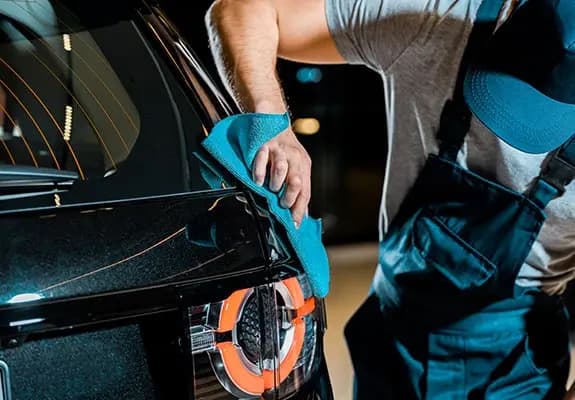
Exterior wash and wax
A proper wash removes years of built-up grime a quick rinse never touches, and a coat of wax genuinely makes the paintwork look cared for rather than just clean. It's cheap, and it consistently improves a buyer's first impression more than almost anything else on this list.
The "wow" factor
Wheels get more scrutiny than most sellers expect, since kerbed alloys can make an otherwise well-maintained car look genuinely neglected. A proper wheel clean, or having minor kerb damage repaired, is worth the effort for exactly this reason.
Door jambs and engine bay
Buyers who lift the bonnet or open a door fully notice grime in places a standard valet skips. A light engine bay clean and a wipe-down of the door jambs and sills genuinely reinforces the impression that the whole car's been looked after, not just what's visible at a glance.
Interior reset
Vacuum thoroughly, clean the dashboard and door cards, and remove every personal item before anyone views the car. A cluttered interior makes a buyer focus on someone else's mess instead of the car itself.
Odour elimination
Smoke and pet odours are genuinely one of the fastest ways to lose a buyer's interest entirely. A neutral air freshener helps, though a proper interior clean addressing the actual source works far better than masking it.
Ken Young, company director at Worle Autos Limited and a Which? Trusted Trader, puts it plainly: "Professional cleaning and detailing can add several hundred pounds to a car's value." If you'd rather not tackle it yourself, that's genuinely money well spent.
2. Handle Cheap, High-ROI Repairs
Dashboard warning lights
Don't ignore these. An illuminated warning light can knock up to £500 off a trade-in offer, since dealers and buying services read it as a sign of unknown underlying problems, whether or not the actual issue is serious.
Not every warning light needs the same urgency though. Low tyre pressure or a routine service reminder are often simple enough to sort out yourself. A brake warning light or an ABS light are genuinely different, since both point to something that should be checked by a professional immediately rather than left until closer to your sale date.
An ABS light specifically has been reported to reduce offers by at least £500, even when the real fault is a faulty sensor costing as little as £70 to fix. A service light left on can cost you around £200 in reduced offers, against a typical service cost of £170 to £300, a repair that consistently pays for itself.
Fluid top-offs
Check and top up your engine oil, coolant and screenwash before anyone views the car, costing next to nothing while removing an easy, visible reason for a buyer to knock money off.
Cosmetic touch-ups
Polish out light paint scratches and use a mobile dent removal service for minor dings yourself, rather than leaving them for the buyer to notice and negotiate down.
Quick replacements
Swap out burnt-out bulbs and worn wiper blades, both genuinely cheap fixes that otherwise instantly flag a car as poorly maintained the moment someone tries the lights or the wipers.
Tyre check
The legal minimum tread depth is 1.6mm, though many experts recommend replacing tyres closer to 3mm for genuinely optimum grip. Use the 20p test to check yourself, insert a coin into the tread grooves, and if the outer band is hidden, you're above the legal limit. If you've had new tyres fitted recently, mention it explicitly in your listing.
|
Take a Note! Two weeks before you plan to list your car, run a full check for warning lights, fluid levels and anything cosmetic. That gives you enough time to sort genuine issues properly rather than rushing a fix right before a viewing. |
3. Organise Your Paperwork
Service history
Gather every service receipt, invoice and the service book itself. A well-documented history genuinely reassures a buyer or buying service the car's been looked after, and it protects you too, if your car carries a third-party extended warranty, most providers require proof of regular servicing to honour a claim at all.
One real example worth knowing: an owner who bought a car without service history and later needed a £2,200 turbocharger repair had their warranty claim rejected outright, since they couldn't prove the oil changes the warranty provider required.
MOT and extended warranty status
Check your MOT is current and gather any certificates. If you've lost or damaged an MOT certificate, GOV.UK will issue a free replacement, you'll just need your registration and the 11-digit reference number from your V5C.
If your car carries a transferable extended warranty, note the remaining cover and provider details, a genuine selling point worth mentioning explicitly rather than assuming a buyer will ask.
Spare keys and accessories
Gather all sets of keys, the original handbook, and any factory accessories like a parcel shelf or locking wheel nut. Missing keys specifically are one of the most common reasons buyers negotiate a price down.
3.5 Check for Recalls, and Consider a History Check
Check whether your car has an active, unresolved safety recall before you list it, using the official GOV.UK MOT history tool, enter your registration, then look for the "Check for vehicle recalls" section.
If you're aware of a recall, you're expected to tell a buyer about it, and most recalls are fixed free by the manufacturer anyway, so it's genuinely worth resolving before you sell rather than after.
It's also worth getting a history check done yourself and offering to share it upfront. Confirming your car's mileage, accident record and finance status before a buyer even asks builds real trust, and it's one less reason for anyone to negotiate the price down over uncertainty that a simple check could have resolved.
4. Capture High-Quality Photos
Once your car is clean, photograph it somewhere well-lit and neutral, a quiet spot away from clutter or busy backgrounds works best. Take clear shots of all four corners, the engine bay, the full interior including the dashboard, and the boot with the seats up.
Be transparent about any genuine damage or wear too, since photographing it upfront builds trust and avoids buyers feeling misled once they arrive.
5. Benchmark the Price
Before you settle on a figure, check what similar cars of the same make, model, age and mileage are actually listed for, and get a free valuation from a buying service too, even if you're planning to sell privately.
This gives you a genuine, independently-calculated figure to compare against, and helps you spot quickly whether a private sale is actually likely to beat it once your own time is factored in.
Get a Free Valuation With Cardaddys
- Instant Car Valuation: Get an estimate in under 30 seconds from home, no phone call needed.
- We Come to You: We attend your location within 24 hours, inspect, and pay instantly.
- Expert Finance Solutions: Our team settles outstanding finance directly, removing a step most private sellers have to handle themselves.
Frequently Asked Questions
Is it worth fixing a dashboard warning light before selling?
Almost always, yes. An illuminated warning light can knock up to £500 off an offer, and many underlying causes, a sensor fault, a service reminder, cost considerably less to actually fix.
Do I really need my full service history to sell my car?
You can sell without it, but it genuinely weakens your negotiating position, and if your car carries an extended warranty, missing service records can mean a legitimate claim gets rejected entirely.
How much does poor preparation actually cost me?
Unprepared cars have been shown to sell for up to 35% below genuine market value, and typically remain listed nearly three times longer than a properly prepared car.
Should I fix kerbed alloy wheels before selling?
It's genuinely worth considering. Kerbed alloys can make an otherwise well-maintained car look neglected at first glance, even when the rest of the car is in excellent condition.
Do I need to check for recalls before selling my car?
Yes, genuinely worth doing. If your car has an active, unresolved safety recall, you're expected to tell the buyer, and checking is free and quick using the GOV.UK MOT history tool.
Should I get a history check done before selling?
It's genuinely a good idea. Sharing a car's mileage, accident record and finance status upfront builds real buyer confidence and removes an easy reason to negotiate the price down.
When should I start preparing my car for sale?
Around two weeks before you plan to list it, giving you enough time to address any genuine issues properly rather than rushing repairs right before a viewing.