
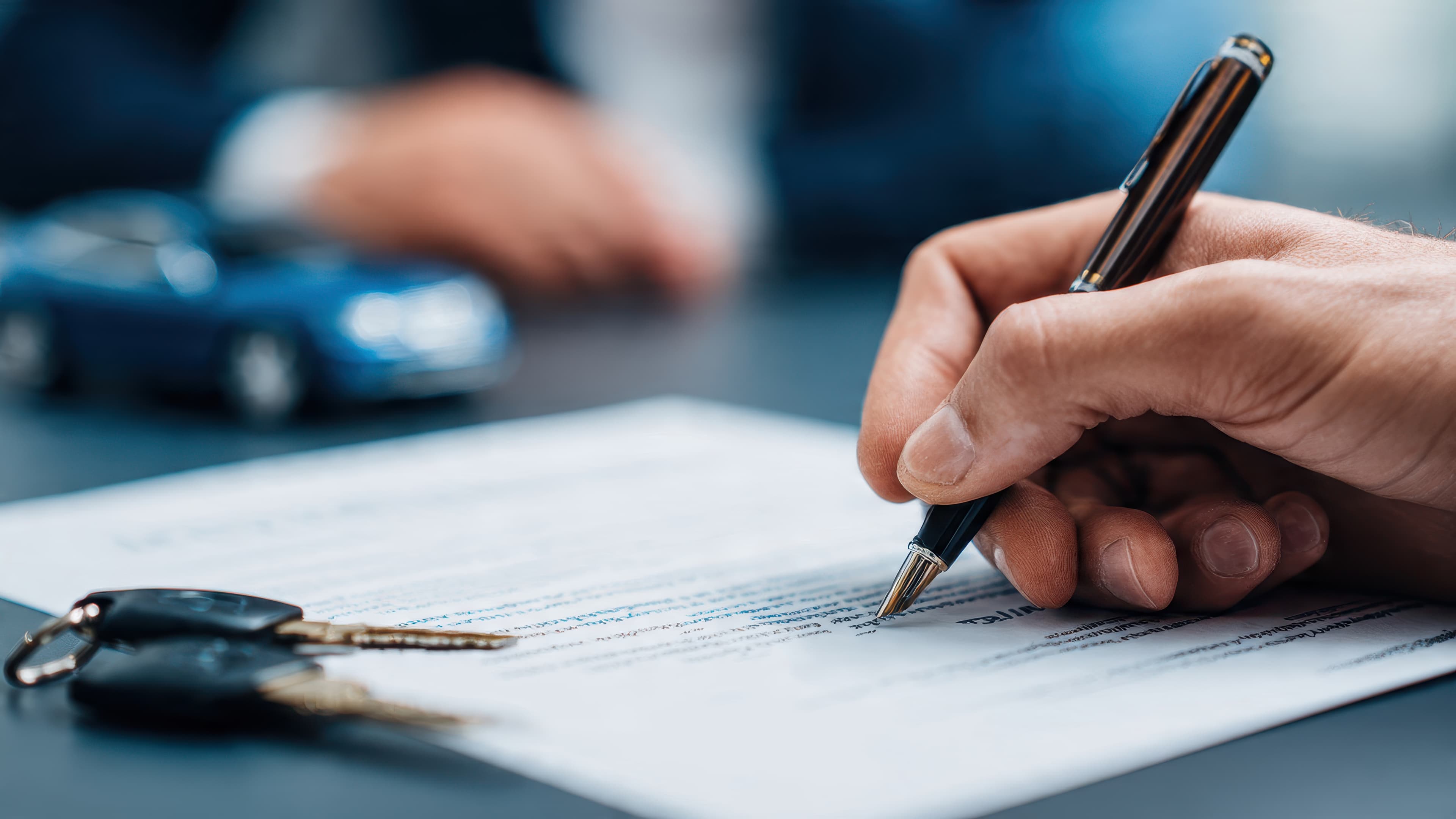
You can sell a car without every document on this list, but having the right paperwork ready makes the sale quicker, reassures buyers, and helps protect you from problems after the handover.
Here's what you genuinely need, what's simply useful, and what to do if something's missing.
Quick Checklist
Essential or official paperwork:
- V5C logbook, correctly filled in for your sale type
- Finance settlement confirmation, if the car was on finance
Useful documents that help you get a better price and reassure buyers:
- Full service history, service book and receipts
- MOT certificate, or at least confirmation of a valid MOT
- A written receipt covering the sale details
- Insurance claim records, if repairs have been made
- Remaining warranty documentation, if applicable
- Repair and parts receipts
The V5C Logbook
The V5C is the single most important document you'll handle when selling. It's worth being clear about what it actually is though: the V5C records who the DVLA has registered as the vehicle's keeper, it isn't a proof-of-ownership or title document. Before selling, make sure you genuinely have the right to sell the car, and be particularly careful if you're selling on behalf of someone else, or if the vehicle is subject to outstanding finance.
The easiest and most reliable way to notify DVLA of a change of keeper is through the official online service on GOV.UK, which updates the record and confirms the change immediately. The V5C itself is also divided into sections for different sale types, private sale versus selling to a trader, dealer, or buying service, each requiring different parts to be completed. Because DVLA occasionally updates the layout and numbering of these sections, it's worth checking the current guidance on GOV.UK directly for the exact section numbers that apply at the time you sell, rather than relying on a number that may have changed.
Whichever route you use, give the buyer the green "new keeper" slip so they can tax the vehicle immediately while their own V5C is issued.
You should notify the DVLA as soon as the sale is complete. Until you've notified them, you could continue to receive correspondence relating to the vehicle, and failing to tell the DVLA at all can result in a penalty of up to £1,000.
Notifying promptly also has a genuine upside: when you tell the DVLA you've sold the vehicle, any remaining full months of vehicle tax are normally refunded automatically.
What If You've Lost Your V5C?
You can still sell the car, but a missing V5C makes some buyers more cautious. Apply for a replacement online or by post using form V62, it costs £25. DVLA gives an expected timeframe for processing, though it can take longer if they need to make additional checks, so it's worth applying as early as possible rather than leaving it until just before you plan to sell.
A buyer being relaxed about a missing V5C isn't necessarily a red flag on its own, but it's still worth being cautious, since a missing logbook can occasionally be exploited in fraud. Getting a replacement before you sell makes the whole transaction considerably easier and gives the buyer greater confidence.
MOT Certificate
Every MOT test result since 2006 is available online, so you don't strictly need the physical certificates to show that your car has a valid MOT. That said, having the printed copies to hand, along with receipts for any advisory repairs you've had done, genuinely helps build buyer confidence, especially on an older car.
If you've lost or damaged your certificates, a replacement can be ordered through GOV.UK for £10.
Service History
A complete service history isn't a legal requirement, but it's one of the strongest trust signals you can hand a buyer, helping verify the mileage, showing the car's been looked after, and genuinely helping support your asking price. Give the buyer the physical service book if you have one, or printed copies of any digital service records your garage holds.
A Written Receipt
A written receipt isn't generally a legal requirement for a private car sale, but it's strongly recommended for both parties. Include the date, the vehicle's registration and VIN, the agreed price, payment details, and the names and addresses of both seller and buyer, then keep a copy yourself.
Some sellers include a note that the car is sold "as seen." This can help set expectations about the sale, but it's worth understanding it doesn't remove your underlying legal obligations, the car still needs to genuinely match how you've described it.
If a buyer pays a holding deposit before completing the purchase, write a separate receipt for that too, covering the deposit amount, the remaining balance, and both signatures, with a copy kept by each of you.
Insurance Policy
Once the sale is complete, tell your insurer straight away so your cover can be cancelled. A cancellation fee may apply depending on your provider. It's also worth being clear on one point: your insurance doesn't transfer to the buyer automatically, they'll need their own cover in place before driving the car at all.
If you've ever made a claim for repairs, sharing that documentation with the buyer is worth doing too, since it shows exactly what's been fixed and reassures them nothing's being hidden.
Remaining Warranty
If your car still has warranty cover, whether from the manufacturer or a third party, tell the provider the car has been sold. Many warranties are transferable to the new owner, which can genuinely support a stronger sale price, so pass on the relevant documentation if that applies.
Repair and Parts Receipts
Any invoices for repairs or replacement parts are worth keeping and sharing, particularly if they still carry their own warranty. They're concrete evidence of proper maintenance beyond just the service book itself.
Outstanding Finance
If there's outstanding finance on the car, contact the finance company before completing the sale. Ask for a settlement figure and make sure the finance is properly settled as part of the transaction, since certain finance arrangements give the finance company rights over the vehicle until it's cleared. A buyer may reasonably want evidence that the finance has genuinely been settled before they hand over payment.
Optional but Genuinely Useful Documents
Owner's handbook: usually kept in the glovebox, covering the car's features, specifications, and maintenance guidance. Not essential, but a nice-to-have for the new owner.
V317 number plate retention form: only relevant if you have a personalised plate you want to keep, downloaded from GOV.UK, letting you either transfer the plate straight to a different car or hold it on retention for a set period. There's a fee involved either way, and this needs completing before the sale finalises, so check the current GOV.UK guidance directly for the exact fee and retention period at the time you apply, since DVLA processes and figures can change.
Proof of identity and address: not a legal requirement, but bringing your driving licence or passport alongside proof of address reassures a buyer you're genuinely the registered keeper.
Battery health certificate: worth arranging if you're selling an electric car. An independent State of Health certificate can make an EV easier to sell and give buyers more confidence in the battery's remaining capacity and range.
What Documents Does Cardaddys Ask For?
The documents you need when selling privately aren't necessarily the same as what we ask you to have ready when selling through Cardaddys. None of the following are legal requirements for selling a car in the UK generally. They're simply what makes your specific appointment with us run smoothly:
- The V5C logbook
- Your driving licence, for ID verification
- Full service history, where available
- Spare keys, if you have them
- Finance settlement confirmation, if the car is still on finance
- Locking wheel nut key, if your car has one
- Radio security code, if your car has an older system that requires one
A Genuine Safety Note on Documents
Be careful about sharing photographs or copies of documents before you've established that you're dealing with a genuine buyer. A prospective buyer reasonably wanting to see your V5C, MOT history, or service history before committing is normal, but it's worth avoiding sending unnecessary copies of your driving licence or anything else containing personal information you don't need to share.
Frequently Asked Questions
Does the V5C prove I own my car?
No. The V5C records who DVLA has registered as the vehicle's keeper, not who legally owns it. Before selling, make sure you genuinely have the right to sell the car, particularly if it belongs to someone else or is still subject to finance.
Can I sell my car without a V5C?
Yes, but it can make some buyers more cautious. Getting a £25 replacement before listing is usually worth it, both for buyer confidence and your own peace of mind.
What happens if I don't tell the DVLA I've sold my car?
You could continue receiving correspondence relating to the vehicle, and you can be fined up to £1,000 for failing to notify them at all. Notifying the DVLA also normally triggers a refund for any remaining full months of vehicle tax.
Does my insurance cover the buyer once I've sold the car?
No. Your insurance doesn't transfer to a buyer automatically, they need their own cover in place before driving the car at all.
Do I legally need a written receipt when selling a car privately?
No, it's not a legal requirement, but it's strongly recommended for both parties as proof of the transaction, covering the date, price, vehicle details, and both parties' names and addresses.